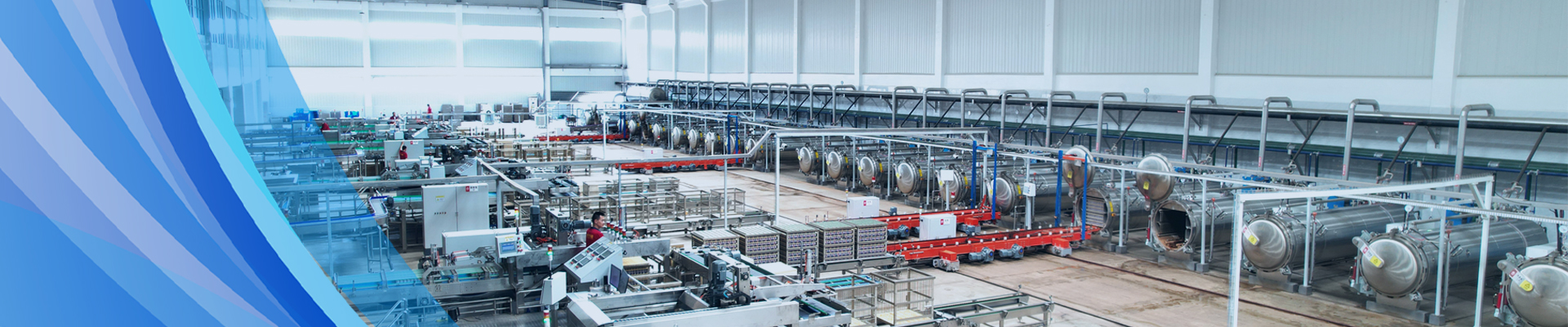

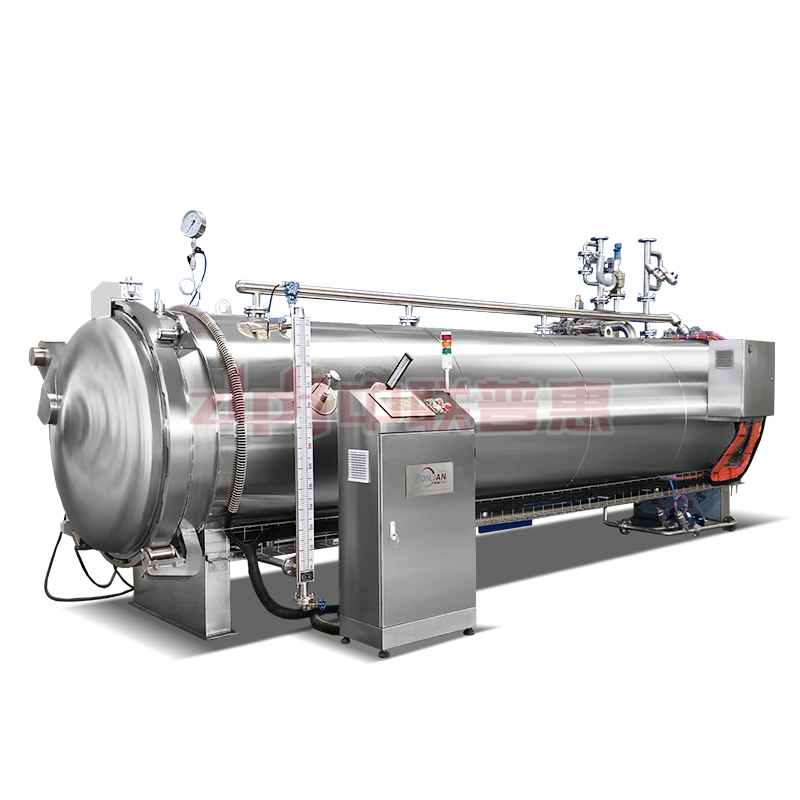
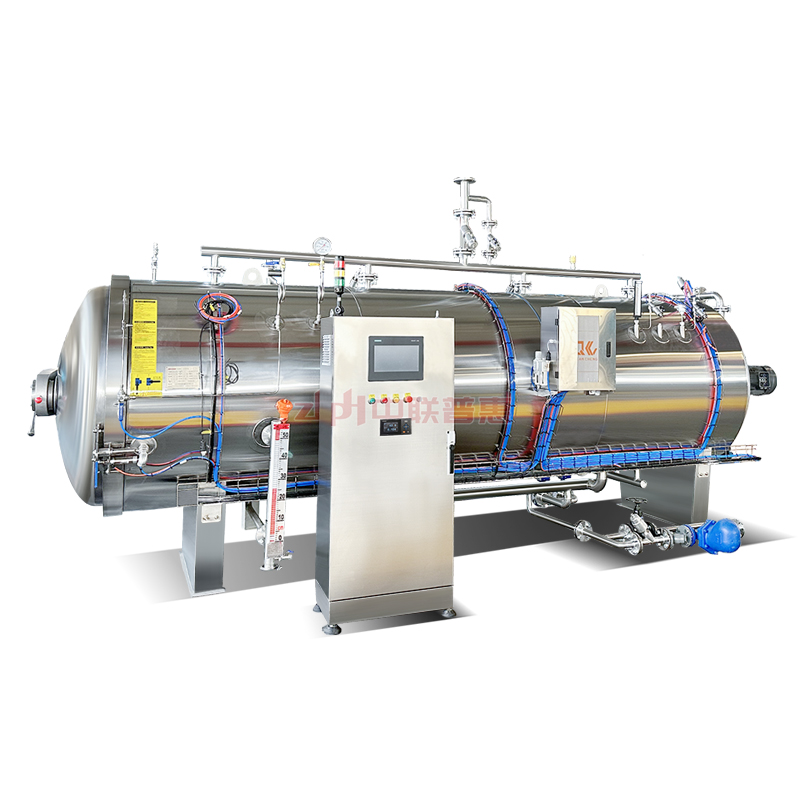
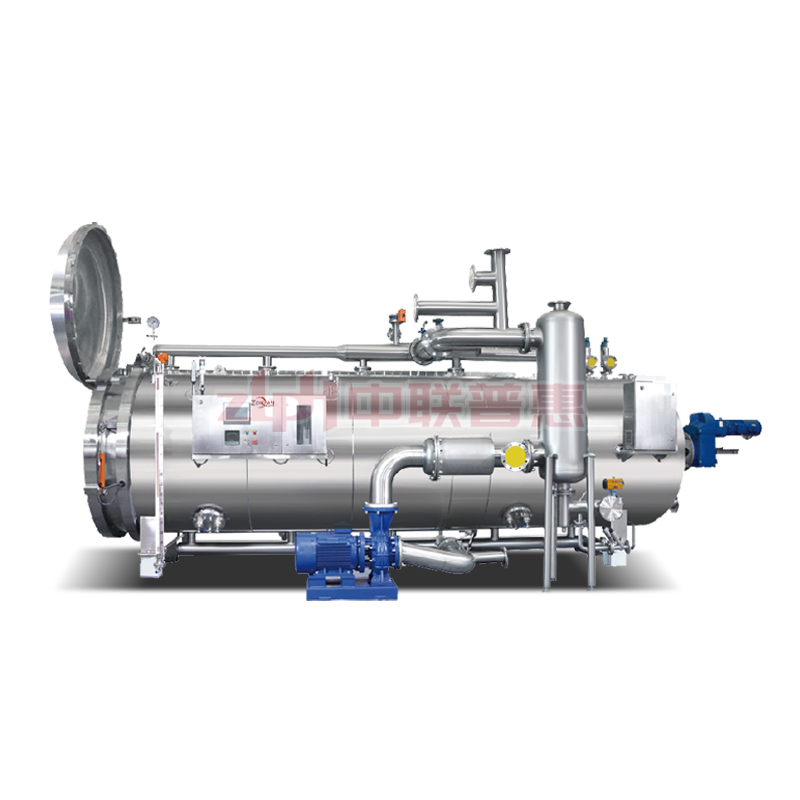
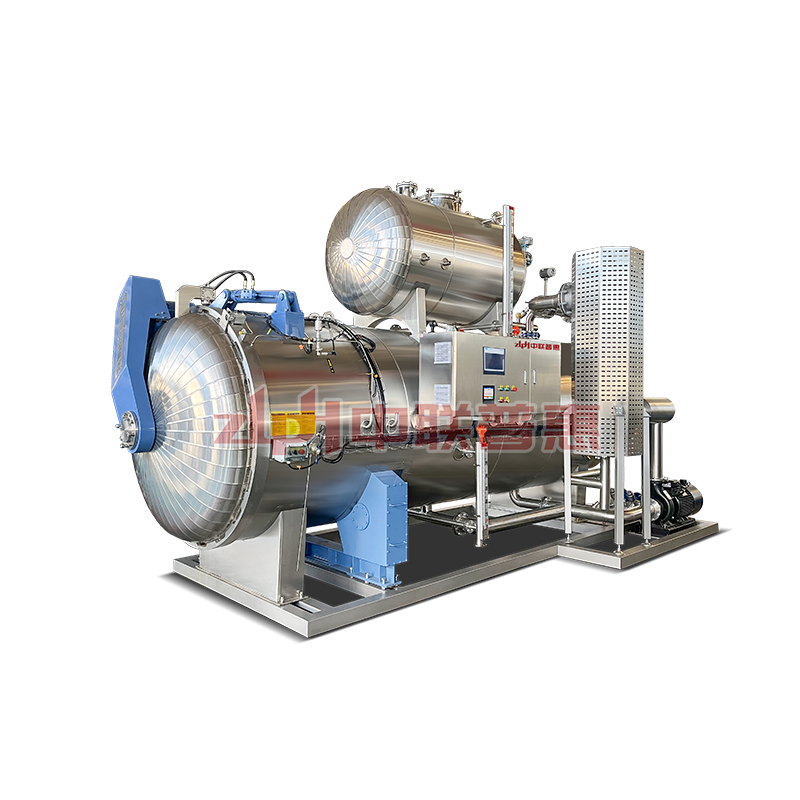
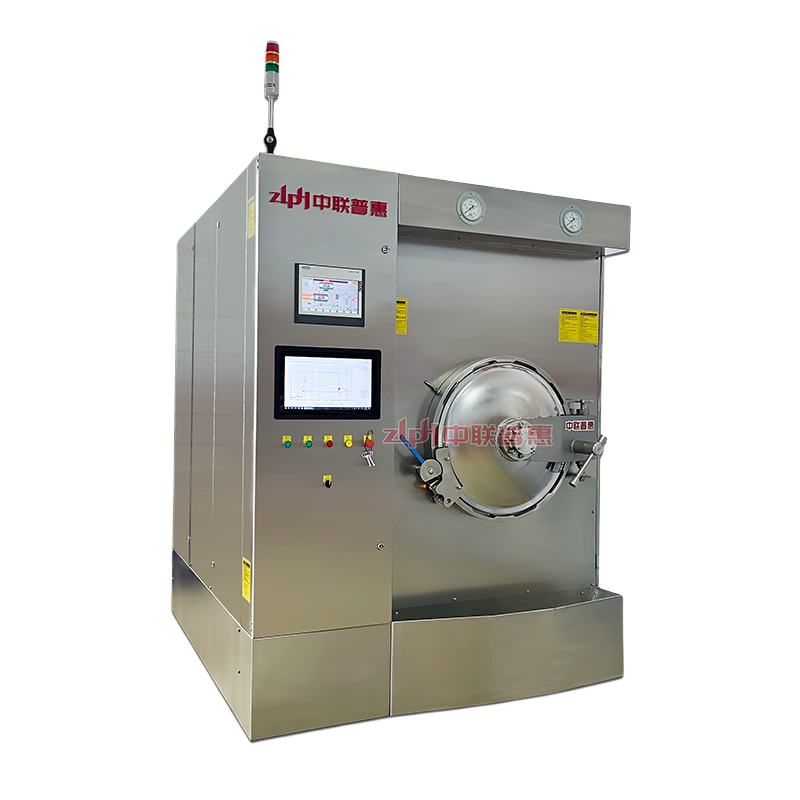
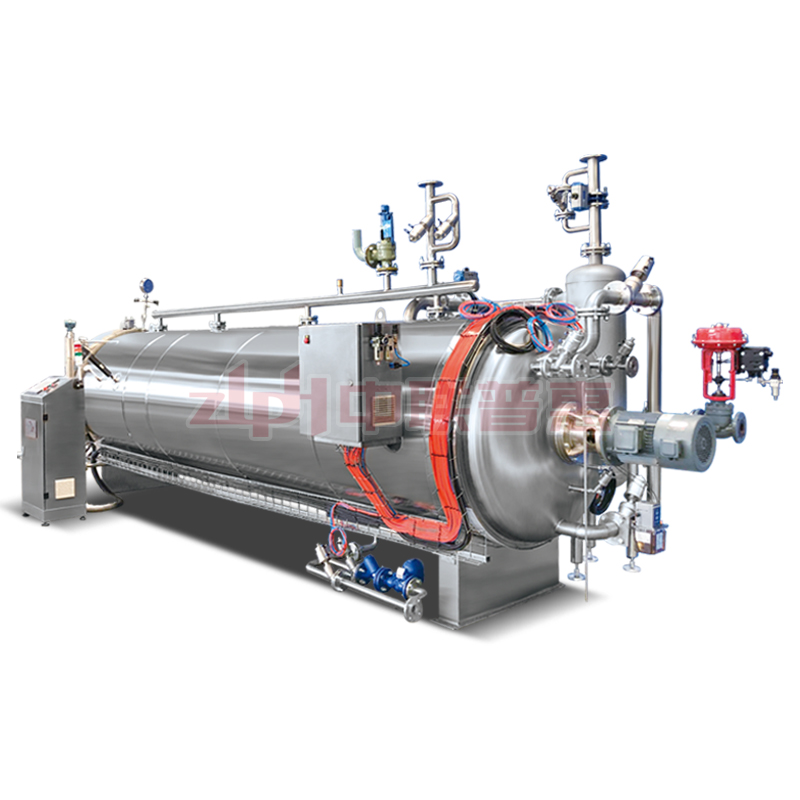
http://www.zlphretort.com/product-steam-air-retort-autoclave.htmlIn 2026, food factories worldwide are accelerating their shift toward low-carbon, high-efficiency production, and the autoclave retort sterilizer has become central to achieving both cost reduction and sustainability goals. As energy prices remain volatile and environmental regulations grow stricter, manufacturers are actively replacing outdated sterilization equipment with new-generation models that deliver superior performance while cutting utility consumption. The latest energy-saving retort autoclave is engineered to address the core pain points of food producers, including excessive steam usage, long processing cycles, and high operational overhead, making it one of the most sought-after industrial assets for canned, pouched, and ready-to-eat food production lines.
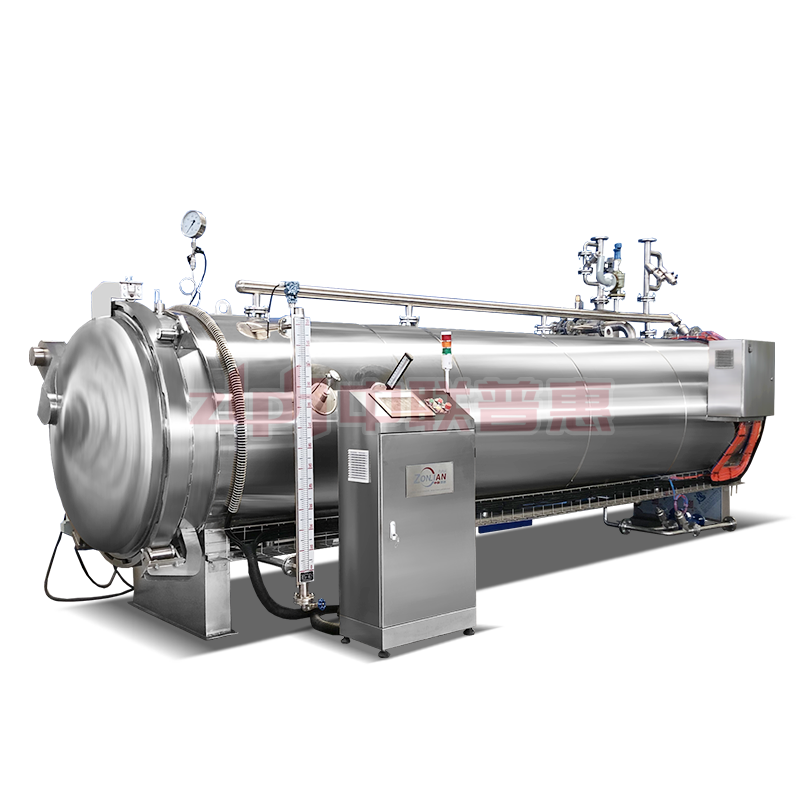
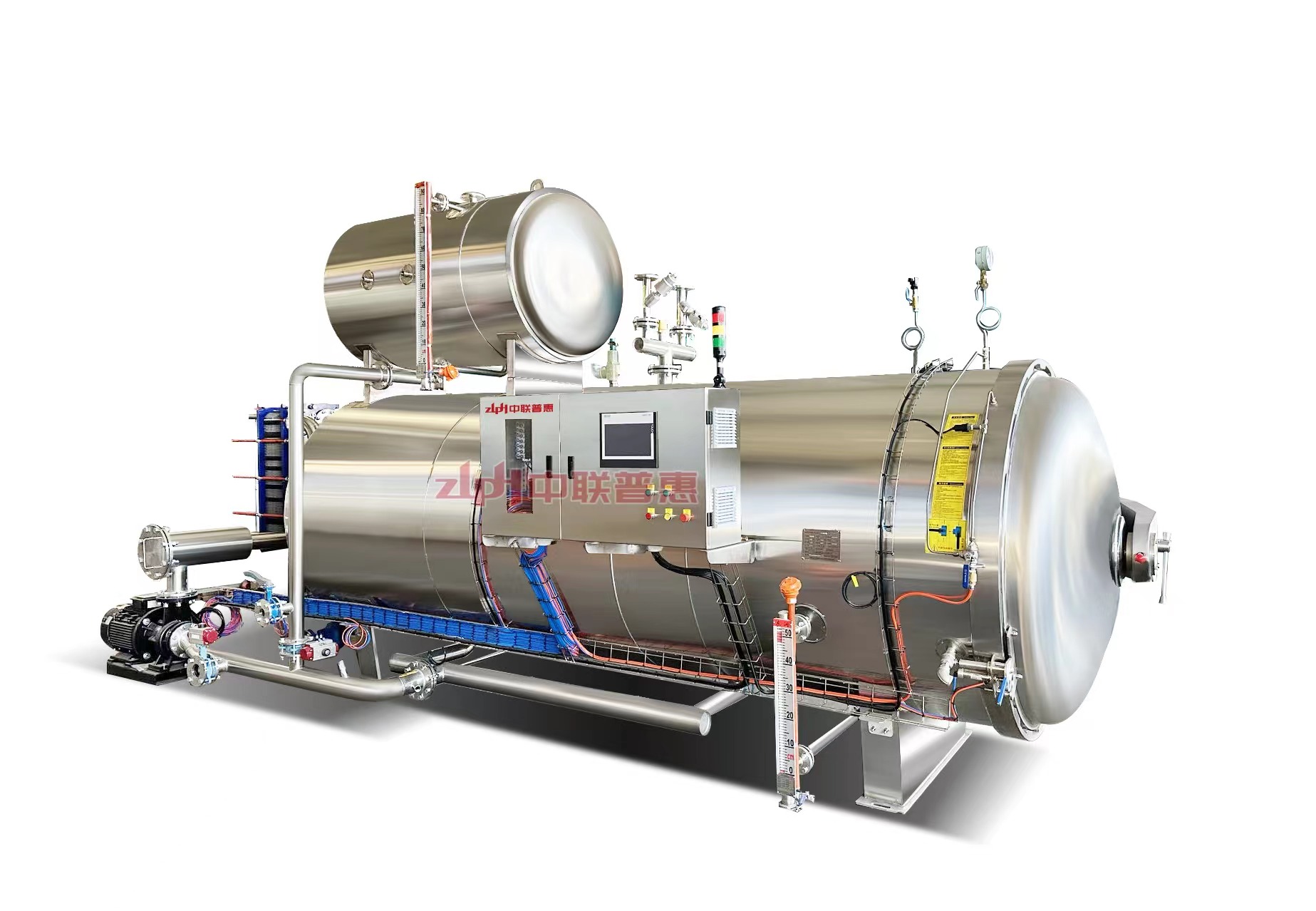
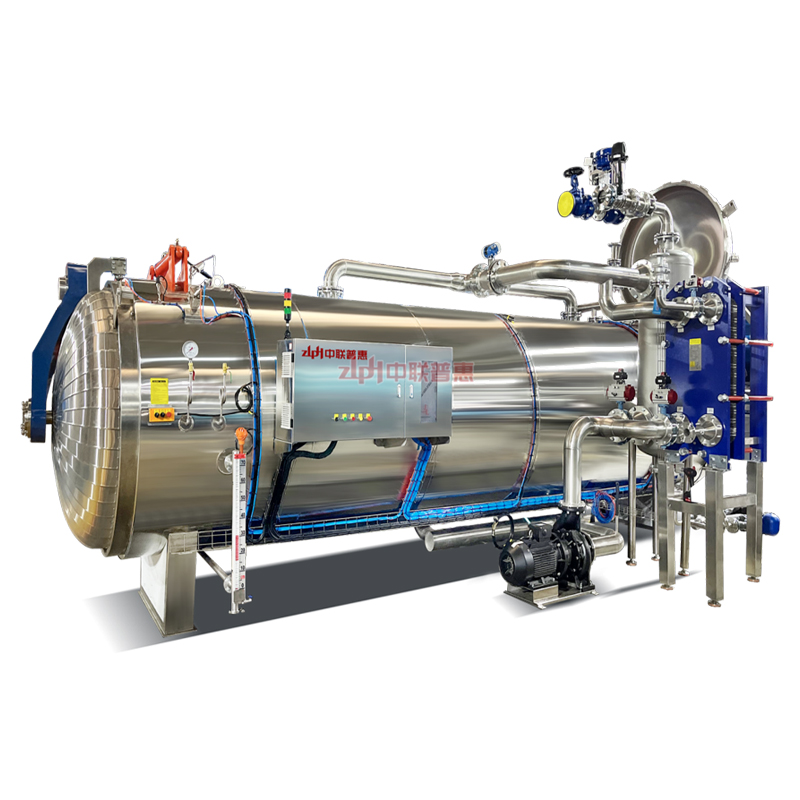
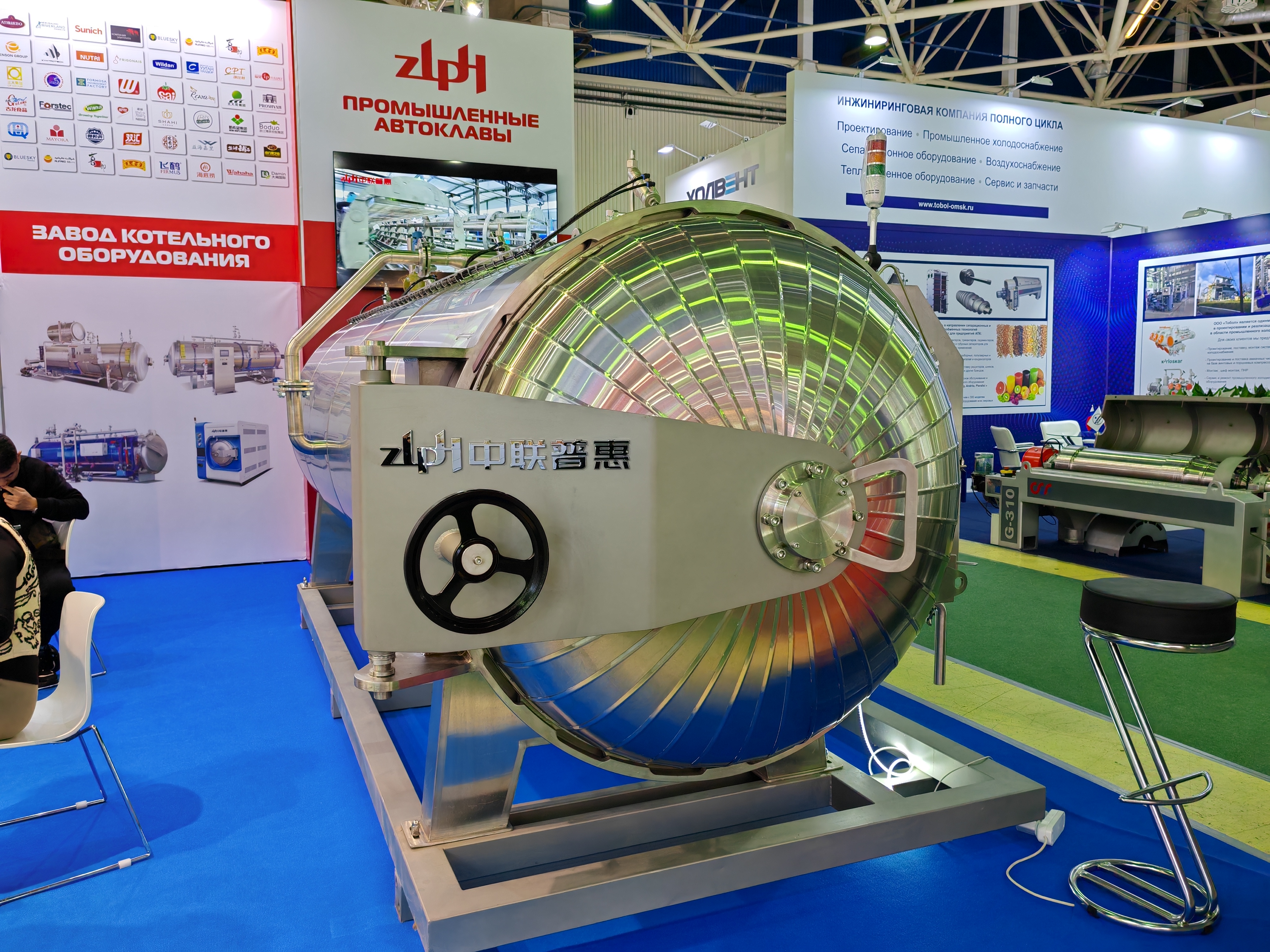
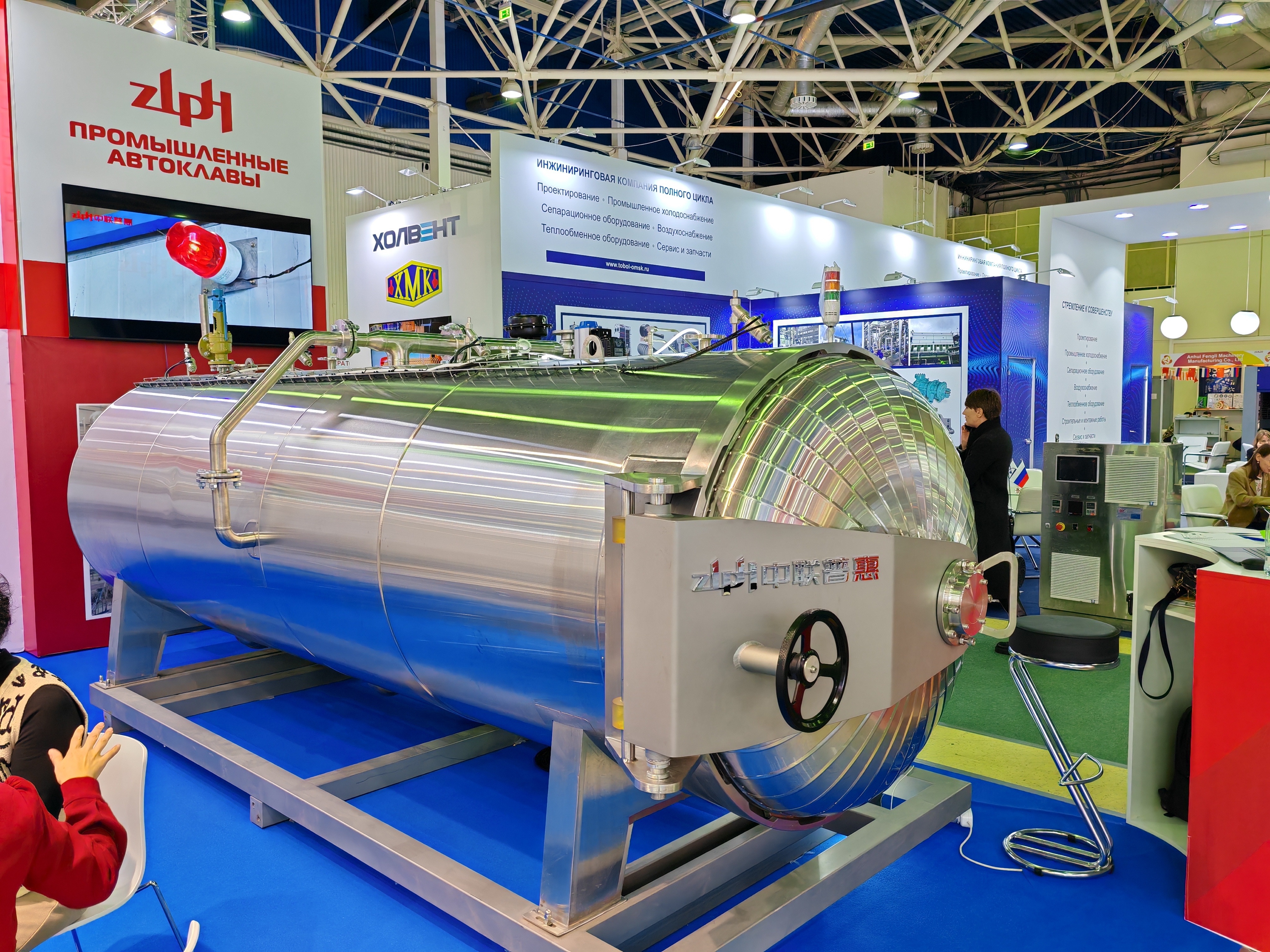
The redesigned food retort for 2026 integrates multiple innovative technologies to maximize energy efficiency without compromising sterilization quality. Unlike conventional machines that waste heat during heating and cooling stages, the new Retort Machine features enhanced thermal insulation layers, intelligent heat recovery systems, and optimized airflow design to retain and reuse thermal energy effectively. This breakthrough design drastically reduces energy waste during retort sterilisation, allowing food factories to lower monthly energy bills while maintaining stable and uniform processing conditions for a wide range of food products, from meat and seafood to vegetables, dairy alternatives, and pet food.
One of the most significant improvements in the 2026 energy-saving autoclave retort sterilizer is its optimized cycle control logic. The smart PLC system automatically adjusts heating intensity, pressure levels, and holding times based on product type, loading volume, and packaging material, eliminating unnecessary energy consumption. This adaptive operation ensures that the retort autoclave only uses the exact amount of steam and electricity required for complete sterilization, avoiding overheating and redundant operation. For large-scale food factories running multiple shifts daily, such efficiency improvements translate into substantial annual savings and a reduced carbon footprint, aligning with global ESG initiatives and green manufacturing standards.
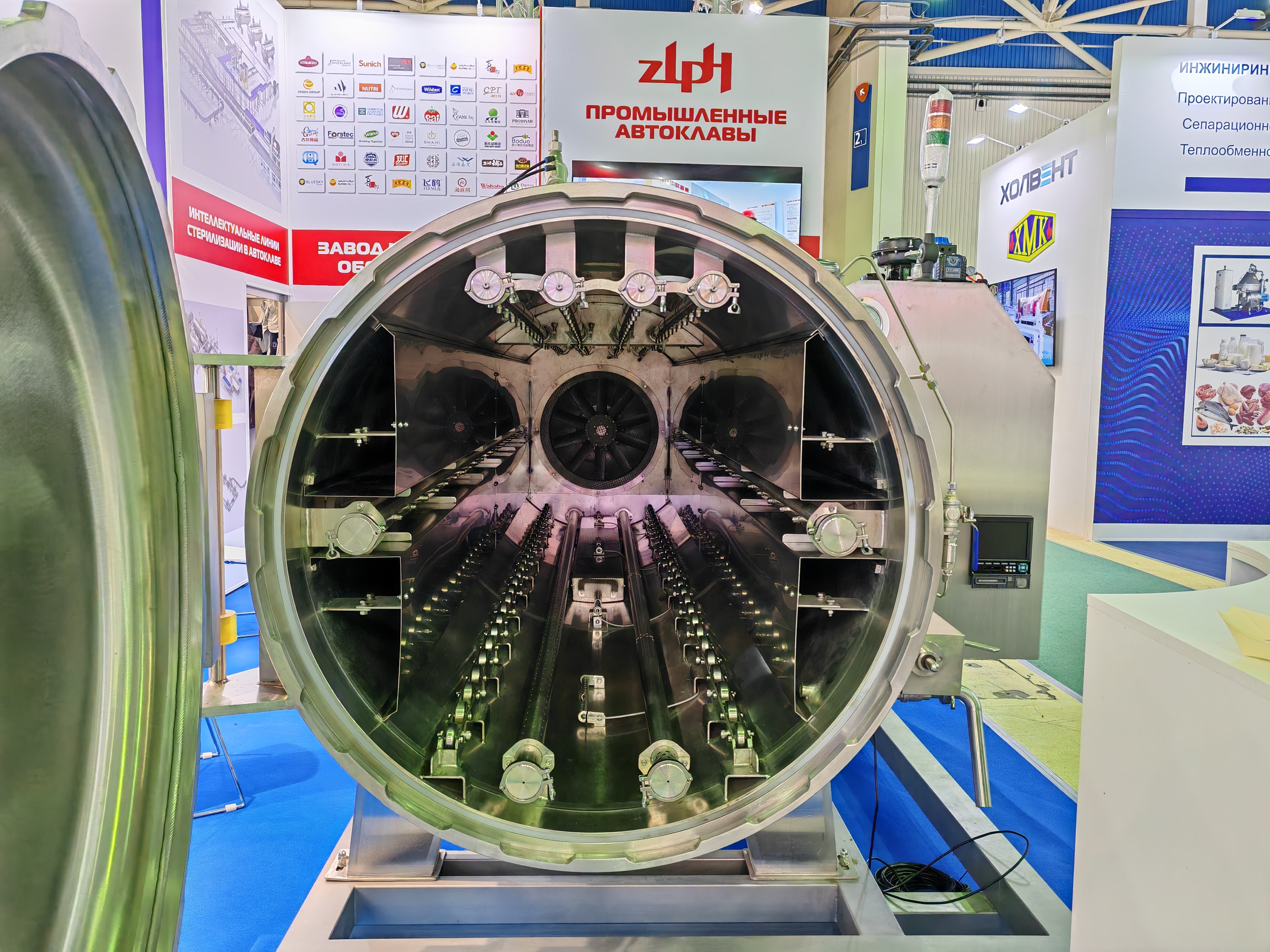
The structural design of the new food retort also contributes to its exceptional energy performance. The chamber is constructed with high-density insulation materials that minimize heat loss to the surrounding environment, maintaining consistent internal temperatures with less energy input. Additionally, the hydraulic and pneumatic systems of the Retort Machine have been refined to reduce power consumption during operation, while quick-opening doors and efficient loading mechanisms shorten non-productive time between batches. Every detail of the autoclave retort sterilizer is optimized to streamline workflow and reduce energy expenditure, making it an ideal choice for factories aiming to improve overall production efficiency.
Consistent and reliable retort sterilisation remains non-negotiable even with enhanced energy-saving features, and the 2026 model ensures uncompromised food safety. Advanced multi-point temperature sensors monitor the chamber in real time, ensuring uniform heat distribution across all products and eliminating cold spots that could lead to incomplete sterilization. The energy-saving retort autoclave maintains strict temperature and pressure tolerances throughout the process, meeting international food safety standards such as FDA, CE, and FSSC 22000. This balance of efficiency and safety makes the food retort suitable for both small-scale processing facilities and large industrial manufacturing plants with high-volume output requirements.
Durability and ease of maintenance further enhance the value of the new energy-saving autoclave retort sterilizer. Built with food-grade stainless steel 316L, the machine resists corrosion, supports easy cleaning, and ensures a long service life under continuous heavy-duty operation. The simplified internal structure reduces the risk of component failure, while self-monitoring systems detect potential issues early to prevent unexpected downtime. For B2B buyers, the low maintenance requirements and extended operational life of the retort autoclave improve total cost of ownership, making the Retort Machine a smart long-term investment for food factories looking to stabilize production costs.
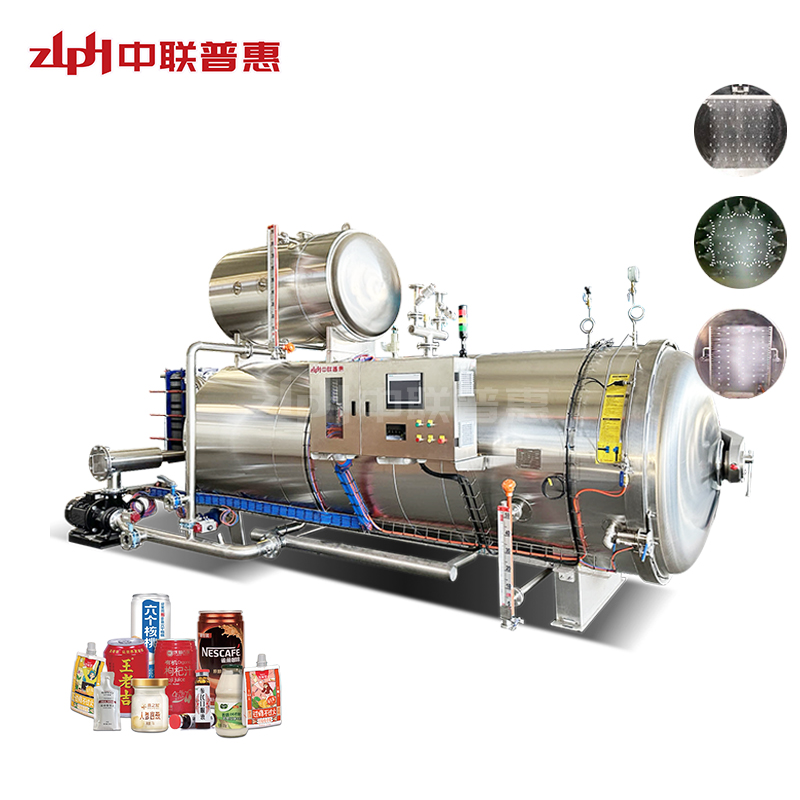
Flexibility is another key advantage of the 2026 energy-saving food retort. It supports various sterilization modes, including water spray, steam spraying, and water immersion, to accommodate different packaging types such as aluminum cans, glass jars, high-temperature retort pouches, and rigid plastic containers. The adaptable design allows factories to switch between products quickly without sacrificing energy efficiency, ensuring that retort sterilisation remains optimized for each specific application. Whether producing shelf-stable ready meals, canned fruits, or sterilized baby food, the autoclave retort sterilizer delivers consistent results while keeping operational costs under control.
As global demand for sustainable food production equipment continues to rise, the energy-saving retort autoclave has become a benchmark for modern food processing lines. Manufacturers that adopt this new-generation equipment gain a competitive edge by reducing operational expenses, meeting environmental targets, and enhancing brand reputation among eco-conscious retailers and consumers. The 2026 Retort Machine not only represents technological advancement but also a practical solution for food factories striving to achieve economic and environmental sustainability simultaneously.
In conclusion, the new 2026 energy-saving autoclave retort sterilizer redefines industrial sterilization by combining exceptional energy efficiency, reliable performance, and versatile application. The upgraded retort autoclave, innovative food retort, and intelligent Retort Machine work together to provide optimized retort sterilisationpenyelesaian yang mengurangkan kos, mengurangkan impak alam sekitar dan memastikan keselamatan makanan yang konsisten. Bagi kilang makanan yang berhasrat untuk kekal berdaya saing dalam pasaran yang pesat berkembang, melabur dalam model penjimatan tenaga termaju ini merupakan keputusan strategik yang menyokong pertumbuhan jangka panjang, pematuhan peraturan dan pengeluaran mampan dalam industri makanan global.
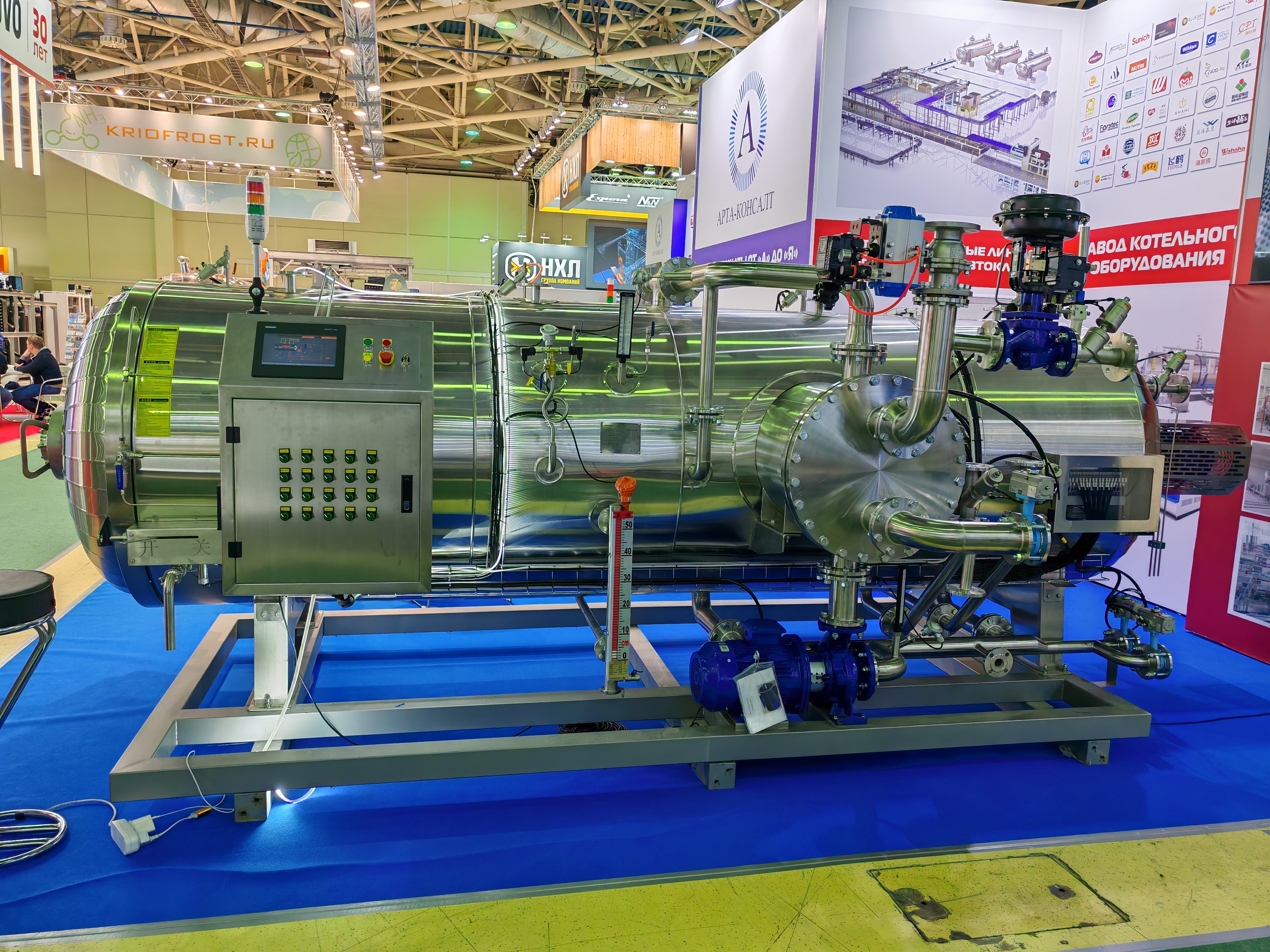
mesin retort
pensterilan retort
autoklaf retort
balasan makanan
