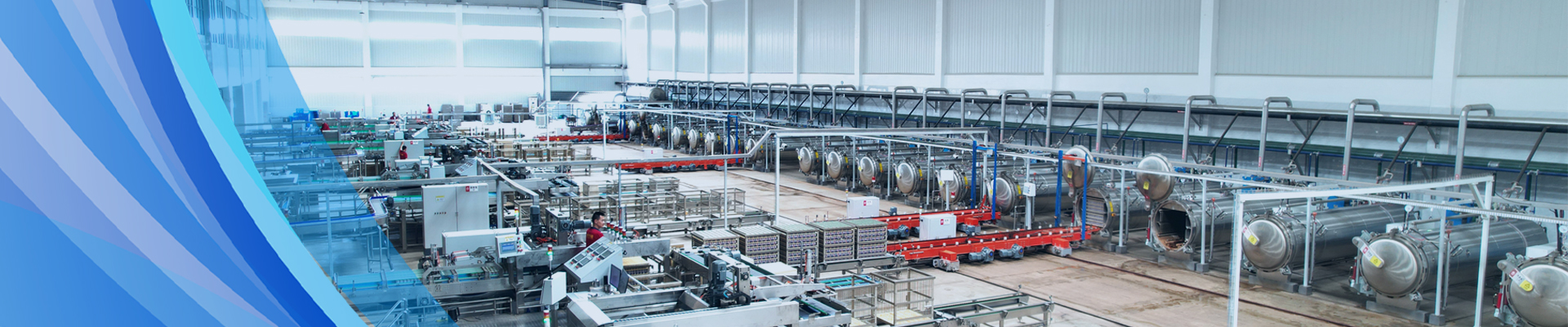

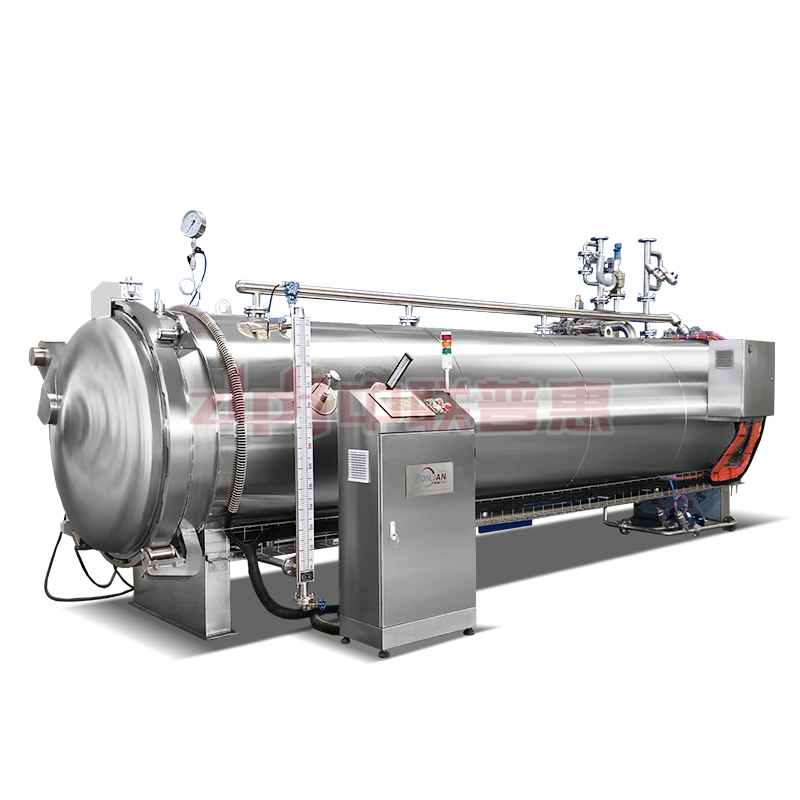
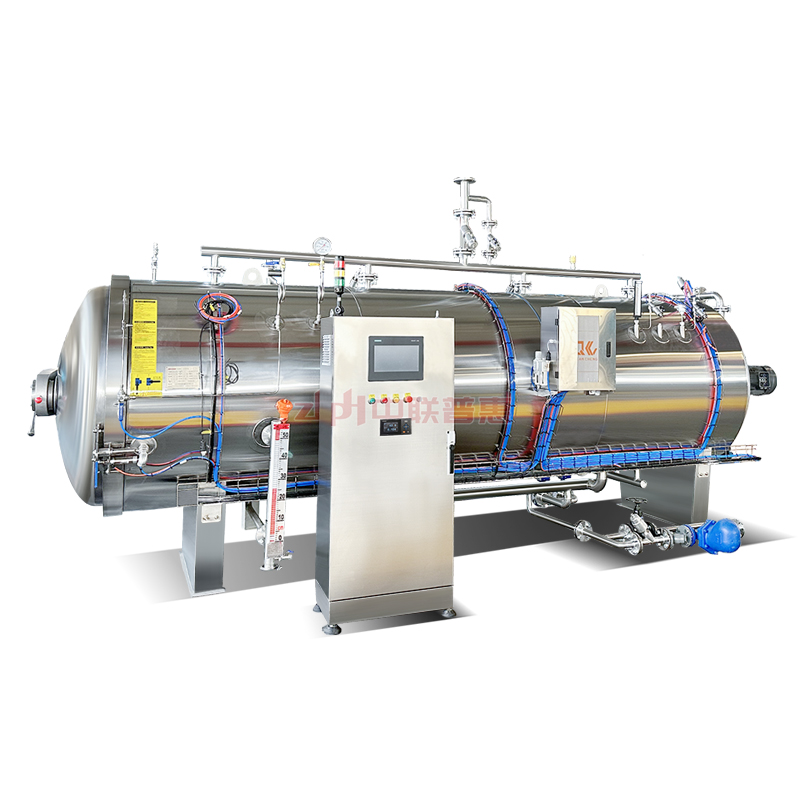
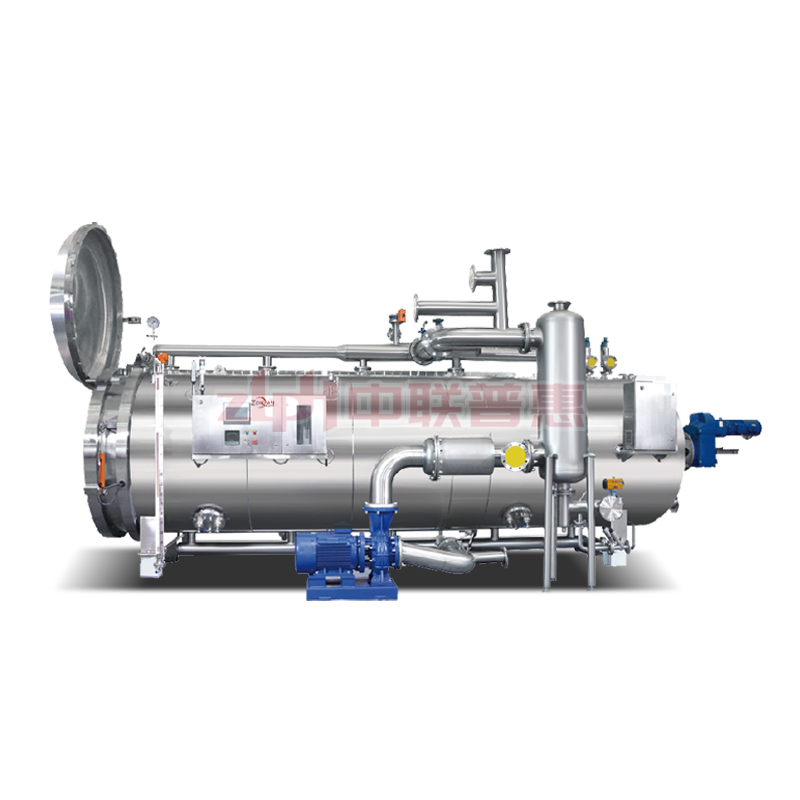
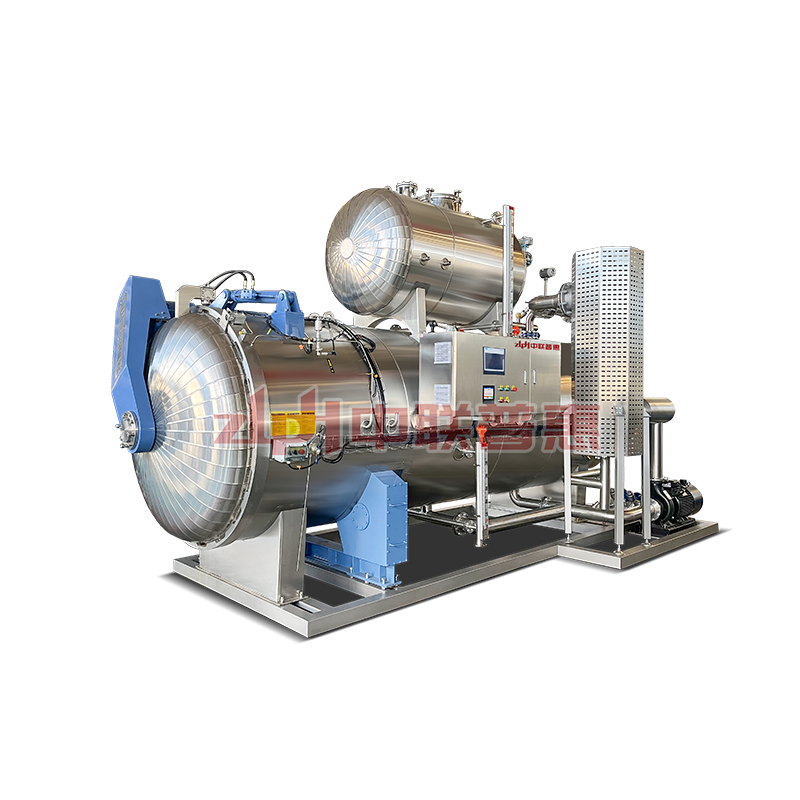
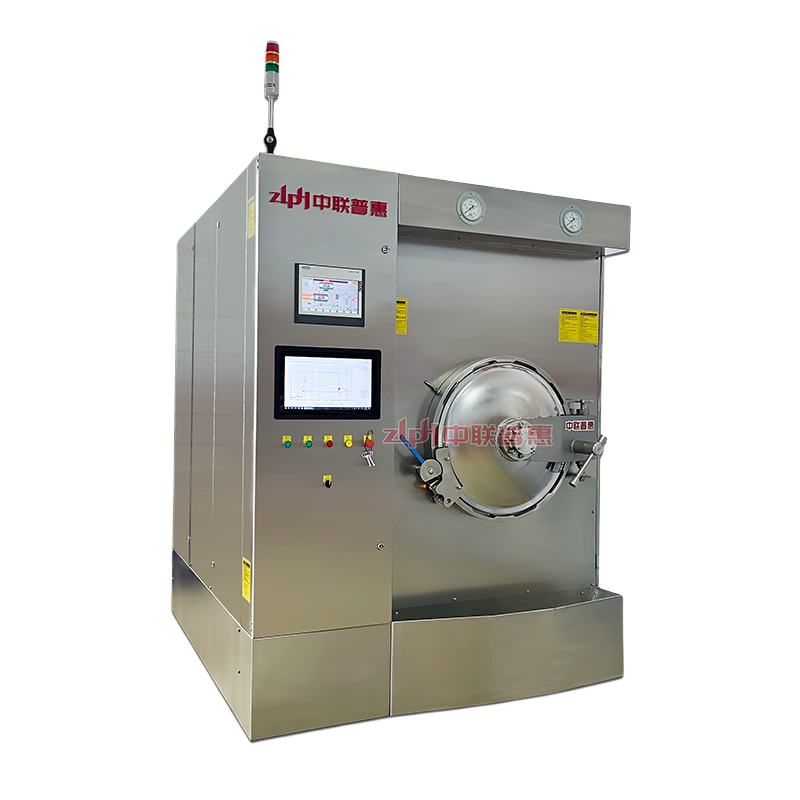
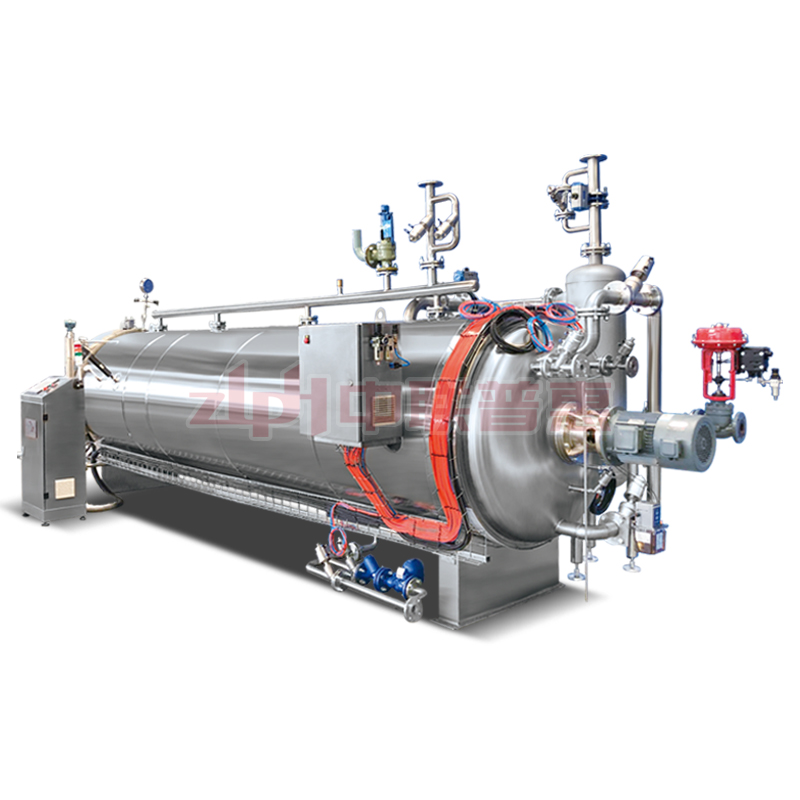
This guide is authored by senior food sterilization engineers from ZLPH MACHINERY TECHNOLOGY CO., LTD., a specialized OEM provider of water spray retort autoclaves with over 6 years of R&D experience and 500+ global installations. It addresses a critical challenge faced by food manufacturers worldwide: inconsistent thermal distribution during batch sterilization in water spray retort systems. This issue—manifesting as under-processed or over-cooked products—typically stems from three root causes: poor nozzle layout design, inadequate water circulation dynamics, and uncalibrated temperature control logic. Drawing on extensive field data and validated process trials, we present a step-by-step, actionable framework to achieve ±0.5°C thermal uniformity across the entire retort chamber. In this guide, you’ll learn how to diagnose uneven heating, implement engineering-grade fixes, avoid common installation pitfalls, and verify sterilization efficacy using real-world validation metrics—all tailored for OEMs and food processors seeking reliable, scalable thermal processing solutions.

How to Fix Hot and Cold Spots in a Water Spray Retort During Canned Food Sterilization?
1. Scenario & Pain Point
In canned vegetable or ready-to-eat meal production lines, operators often observe inconsistent product quality after retort sterilization—some cans show insufficient lethality (risking microbial survival), while others suffer texture degradation due to overheating. Thermal mapping reveals temperature differentials exceeding 3–5°C between top/bottom or center/edge zones, violating FDA and EU thermal process validation standards.

2. Root Cause Analysis
Three primary factors drive this non-uniformity: (1) asymmetric spray nozzle arrangement fails to deliver even water coverage; (2) low pump flow rate or improper baffle design creates stagnant zones with poor heat transfer; (3) PID temperature controllers lack adaptive tuning for varying load densities, causing overshoot or lag in response.

3. Step-by-Step Solution
Immediate Mitigation: Reorient product trays to maximize exposure; increase rotation speed if using a rotary retort; temporarily raise sterilization time by 10% (with F₀ recalibration).
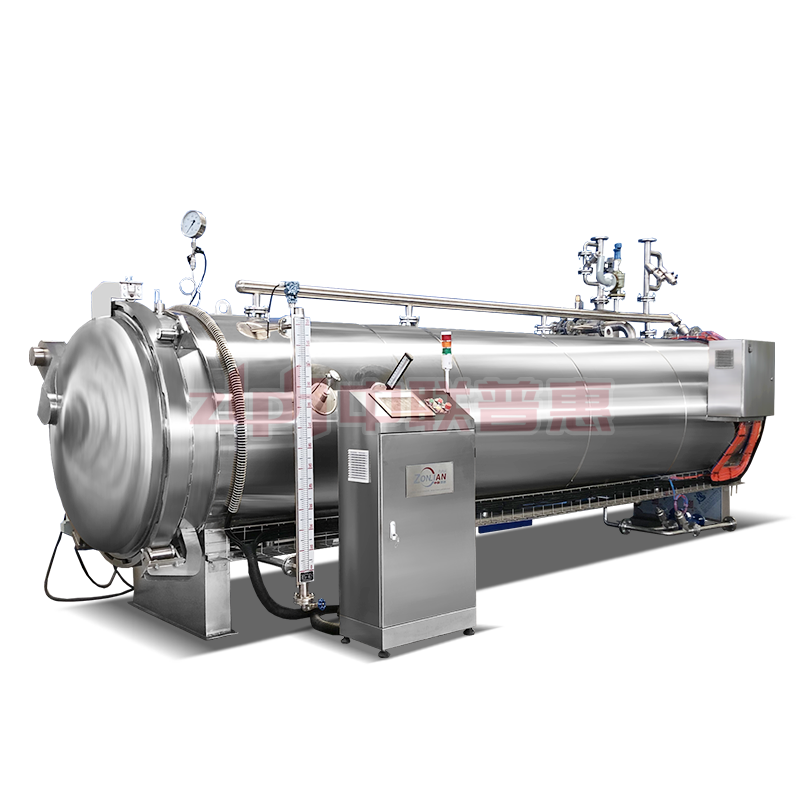
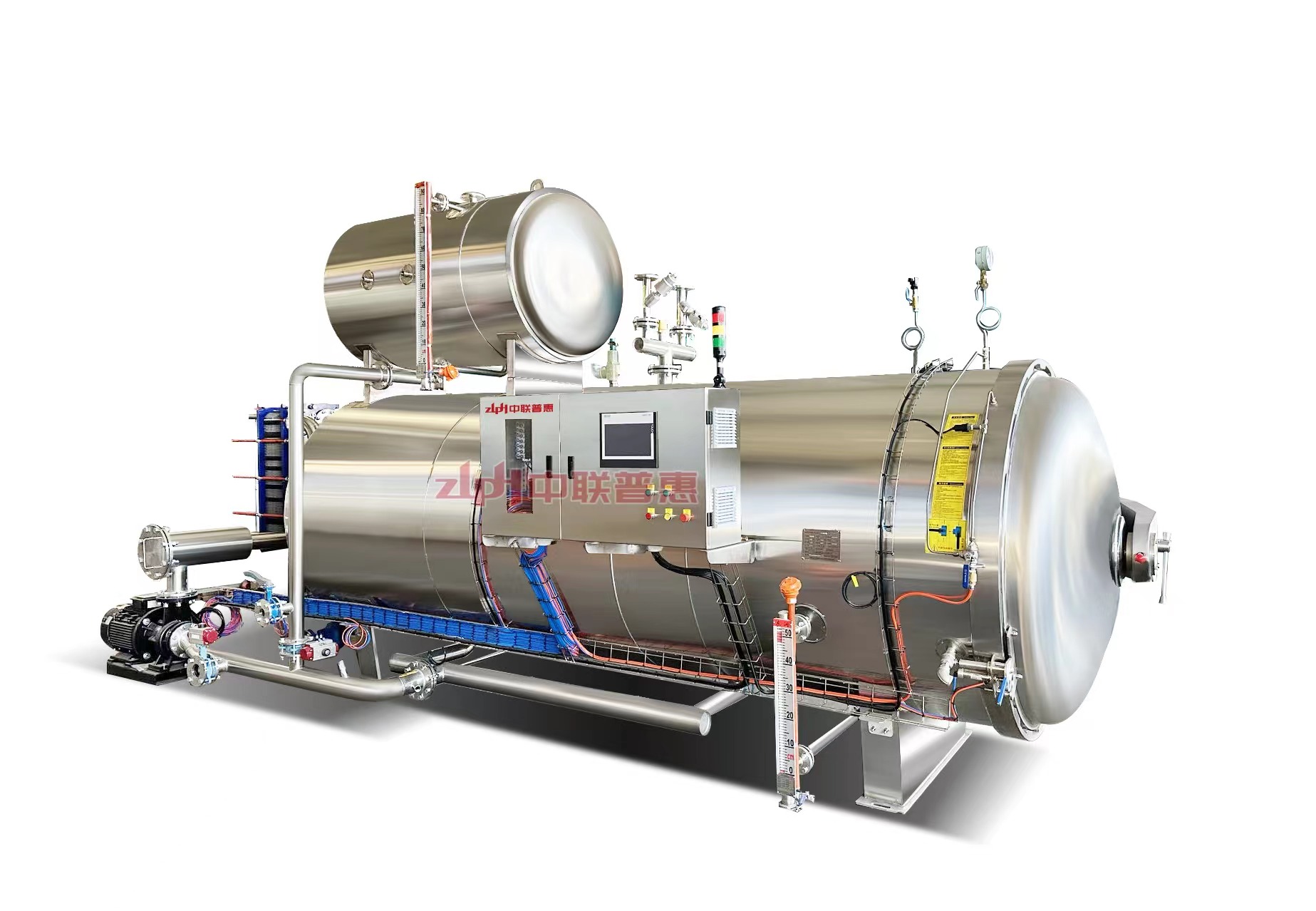
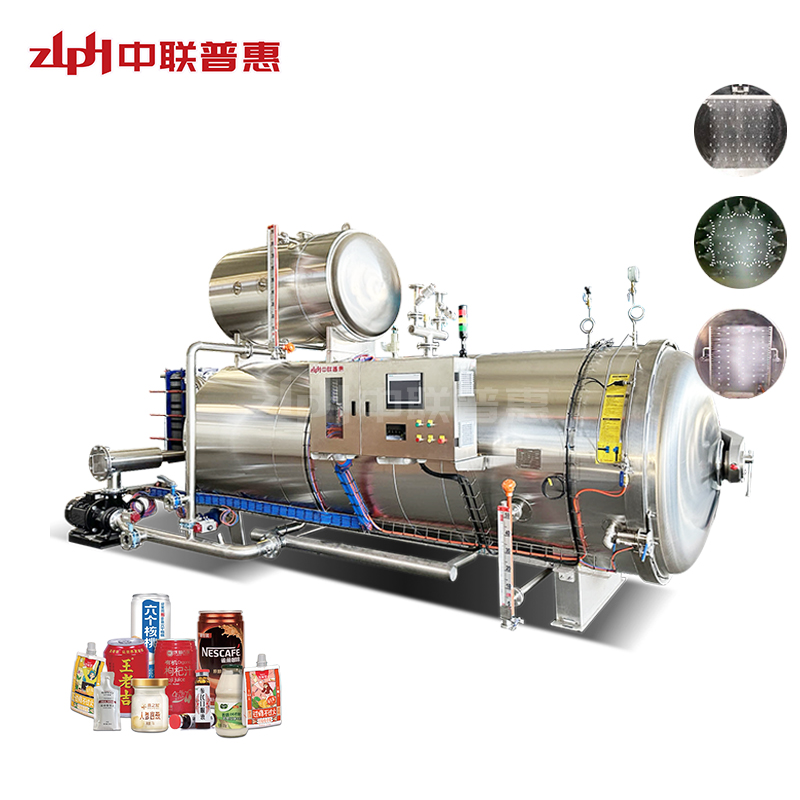
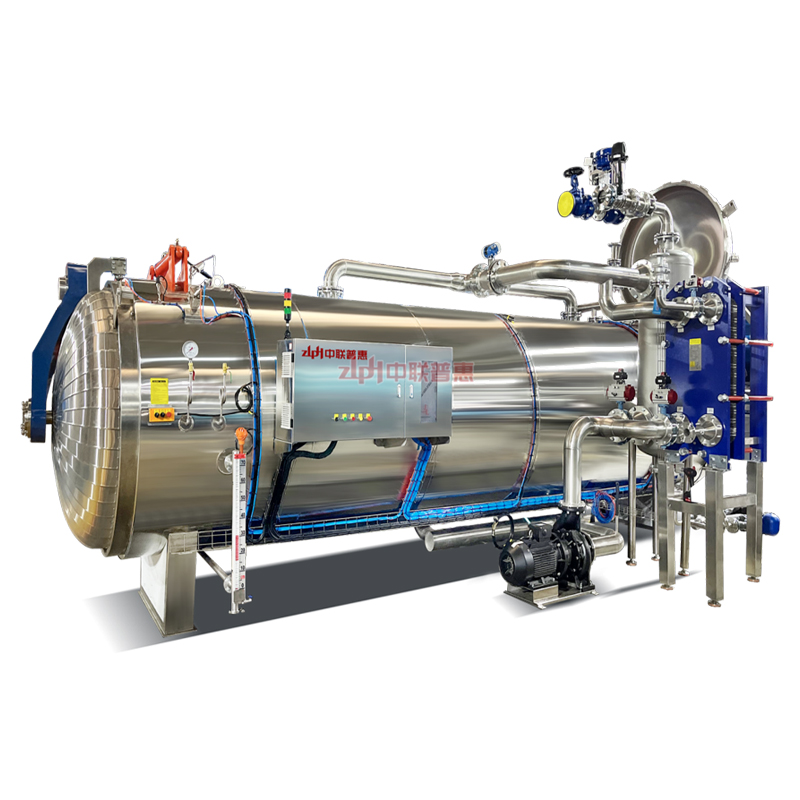
Engineering Fix: Upgrade to ZLPH’s multi-zone spray system featuring 360° helical nozzles and variable-frequency pumps that maintain 2.5–3.0 m/s water velocity across all layers. Our PLC-integrated thermal feedback loop auto-adjusts steam injection based on real-time RTD readings from 12 chamber points.
Process Optimization: Conduct ASME PTC 19.1-compliant thermal mapping with 32+ data loggers; use results to calibrate hold time and ramp rates per load configuration.

4. Troubleshooting & Prevention
Verify nozzle clogging monthly via pressure drop checks; ensure rack spacing ≥50mm for water penetration; never exceed 85% chamber fill volume. During OEM integration, mandate pre-shipment thermal validation under worst-case load conditions—not just empty-chamber tests.
5. Validation Results
At a Southeast Asian ready-meal plant, implementing ZLPH’s optimized water spray retort reduced thermal variance from ±4.2°C to ±0.4°C. Post-process F₀ consistency improved by 92%, eliminating rework and enabling USDA export compliance within 3 batches.
How to Prevent Product Damage from High-Pressure Water Jets in Glass Jar Sterilization?
1. Scenario & Pain Point
Glass jar producers report breakage rates of 3–7% during water spray retort cycles, especially with thin-walled or irregular-shaped containers. Direct high-velocity water impact causes microfractures, leading to catastrophic failure during cooling or storage.
2. Root Cause Analysis
Excessive nozzle pressure (>0.3 MPa), fixed-angle spray targeting jar shoulders, and absence of cushioning racks concentrate mechanical stress on vulnerable glass zones.
3. Step-by-Step Solution
Install ZLPH’s low-impact diffuser nozzles (operating at 0.15–0.2 MPa) with randomized spray angles; pair with silicone-coated, spring-loaded racks that absorb hydraulic shock. Reduce initial heating ramp rate to ≤1.5°C/min to minimize thermal shock synergy.
4. Troubleshooting & Prevention
Always validate jar integrity per ASTM C147 before retort trials; avoid stacking jars without interlayer padding; monitor water pressure decay during cycle—sudden drops indicate nozzle blockage requiring cleaning.
5. Validation Results
A European baby food manufacturer cut glass breakage from 5.8% to 0.3% after retrofitting ZLPH’s gentle-spray system, saving $220K annually in waste and downtime.
Industry Best Practices for Water Spray Retort Reliability
Based on 6+ years of global deployments, ZLPH recommends this 5-step framework for robust thermal processing:
1. Define Worst-Case Conditions
Design for maximum product density, lowest thermal conductivity, and ambient summer temperatures—not ideal lab scenarios.
2. Validate Fluid Dynamics Early
Use CFD simulation during OEM design phase to optimize nozzle placement and baffle geometry before metal fabrication.
3. Implement Multi-Point Thermal Monitoring
Embed redundant RTDs at cold-spot locations identified in mapping studies; integrate with SPC for real-time process control.
4. Standardize Maintenance Protocols
Schedule quarterly nozzle inspection, pump seal replacement, and PLC calibration to sustain performance.
5. Partner with Process-Aware OEMs
Choose suppliers like ZLPH who combine mechanical engineering with deep sterilization science expertise—not just hardware vendors.
Frequently Asked Questions (FAQ)
Q: Can I retrofit an existing steam retort into a water spray system?
A: Hanya jika reka bentuk kapal menyokong perpaipan dalaman, pam aliran tinggi dan saliran—kebanyakannya tidak boleh. ZLPH menawarkan penggantian OEM sistem penuh yang kos efektif dengan masa tunggu 8 minggu.
S: Apakah tekanan air minimum yang diperlukan untuk pemindahan haba yang berkesan?
A: 0.12 MPa memastikan perolakan yang mencukupi tanpa kerosakan produk; sistem kami mengawal selia secara automatik antara 0.12–0.25 MPa berdasarkan jenis beban.
S: Berapa kerapkah saya perlu menentukur semula sensor suhu?
A: Setiap 6 bulan mengikut ISO 22000; Balasan ZLPH termasuk port penentukuran yang boleh dikesan NIST untuk pengesahan medan yang pantas.
S: Adakah retort semburan air ZLPH mematuhi CE dan FDA?
A: Ya—disahkan sepenuhnya mengikut PED 2014/68/EU, ASME BPVC Seksyen VIII dan FDA 21 CFR Bahagian 113 untuk makanan dalam tin berasid rendah.
S: Bolehkah sistem anda mengendalikan beban produk campuran (cth., tin + kantung)?
J: Ya—dengan pengurus resipi dipacu AI kami yang memilih corak semburan optimum, tanjakan suhu dan masa tahan secara automatik bagi setiap matriks produk.
Mengapa Perlu Percaya ZLPH untuk Keperluan Retort Semburan Air Anda?
ZLPH MACHINERY TECHNOLOGY CO., LTD. ialah OEM khusus dengan 21 jurutera mekanikal dan PLC, 4 saintis proses pensterilan dan 14 juruteknik selepas jualan global—kesemuanya mempunyai pengalaman 10+ tahun dalam pemprosesan terma. Kilang kami seluas 15,000m² menempatkan CNC ketepatan, kimpalan robotik dan ruang ujian berskala penuh untuk pengesahan pra-penghantaran. Kami telah menghantar lebih 500 retort semburan air ke lebih 30 negara, menawarkan perkhidmatan kepada jenama makanan Fortune 500 dan pembungkus bersama label persendirian. Setiap sistem menjalani ujian ketahanan selama 72 jam dan pemetaan terma pihak ketiga sebelum penghantaran.
Sokongan Tersuai Termasuk:
- Penilaian proses terma di tapak
- Simulasi corak semburan khusus beban
- Ujian rintis percuma dengan produk sebenar anda
- Diagnostik jarak jauh 24/7 melalui PLC yang didayakan IoT
Hubungi Kami
Syarikat: ZLPH MACHINERY TECHNOLOGY CO., LTD.
Laman web: https://www.zlphretort.com/
Emel: sales@zlphretort.com
Telefon / WhatsApp: +86 15666798389 / +86 13361554016
